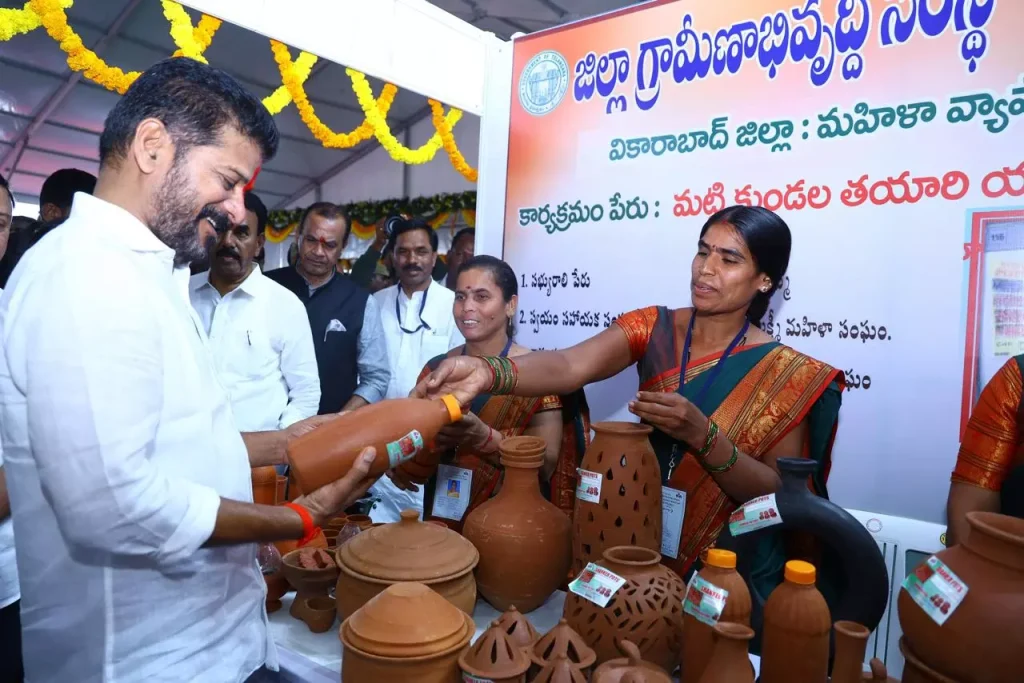
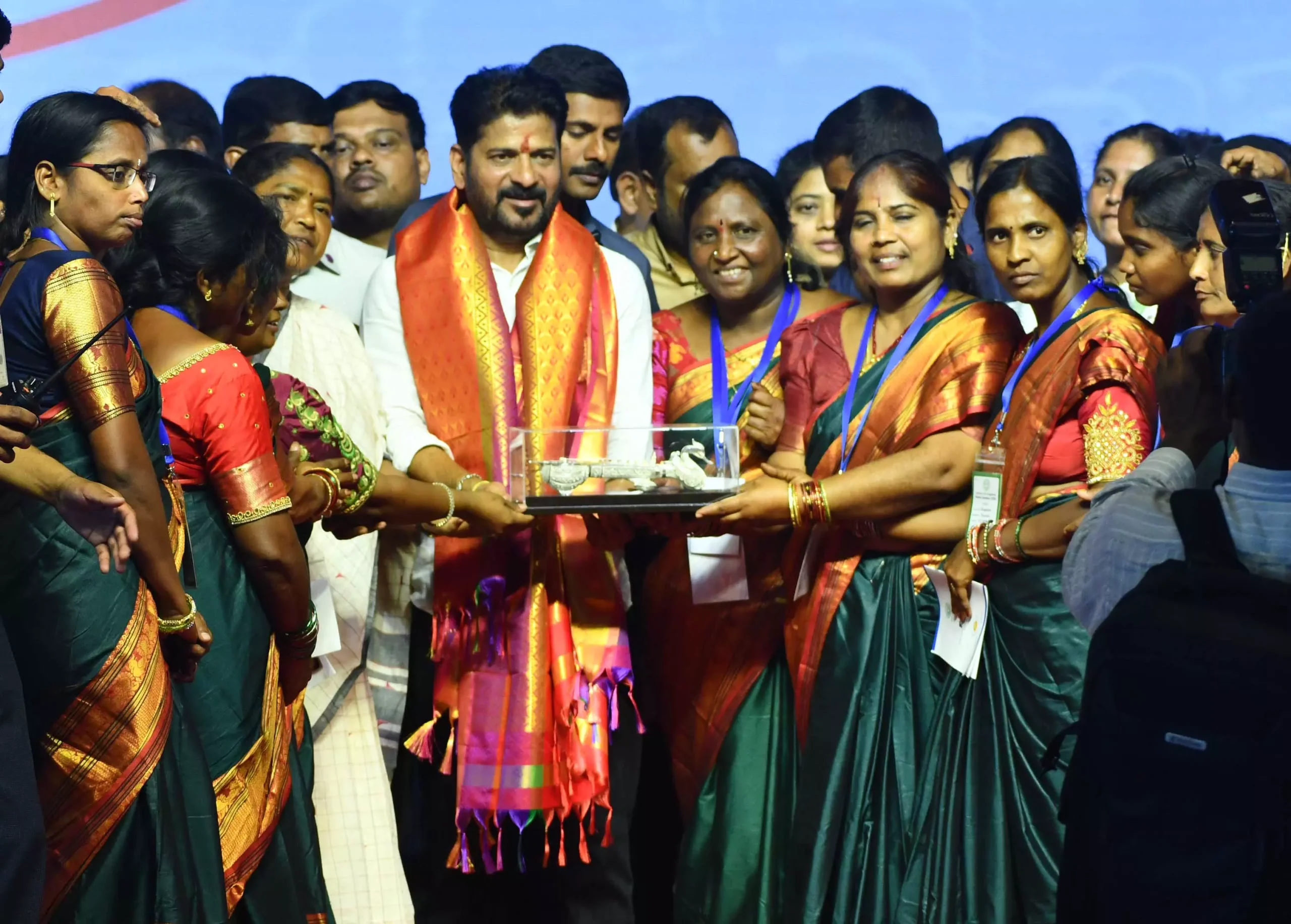
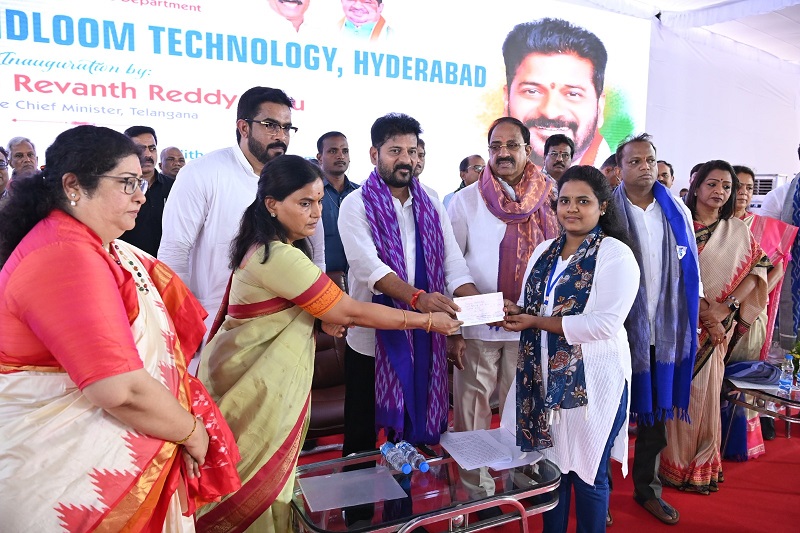
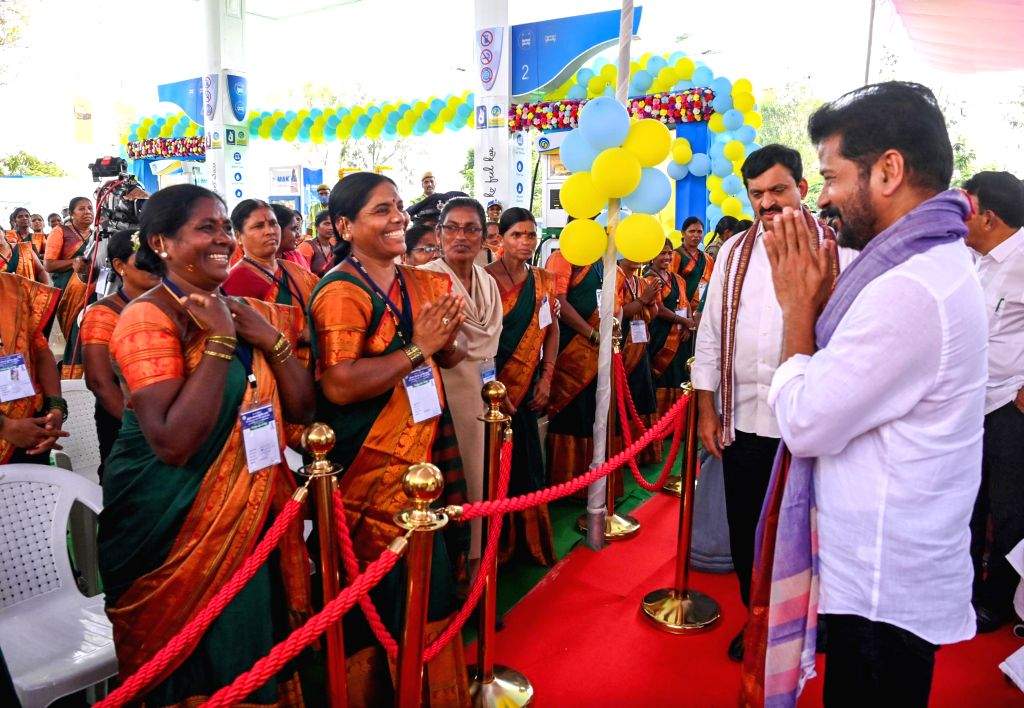
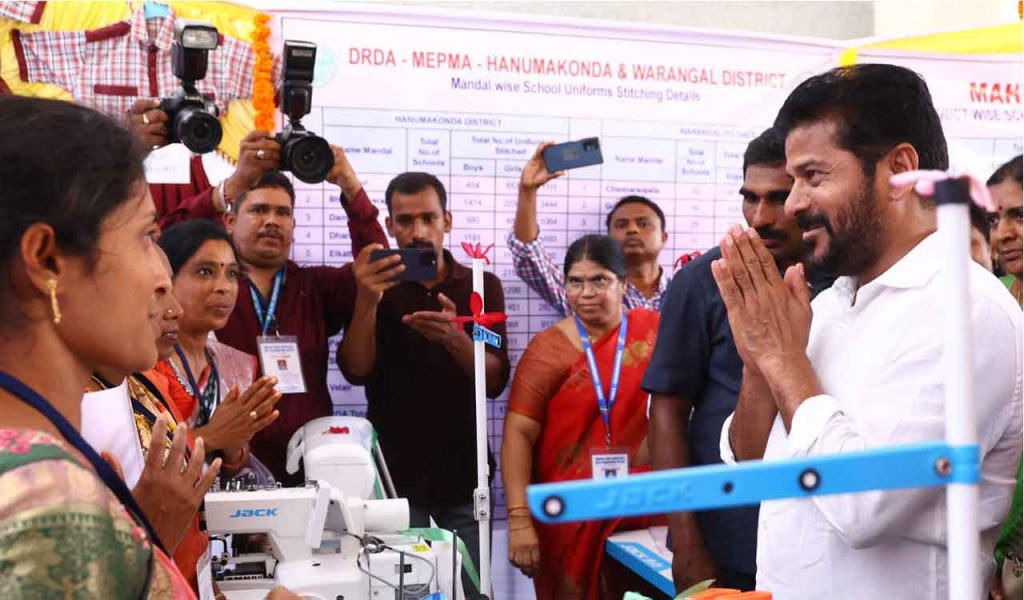
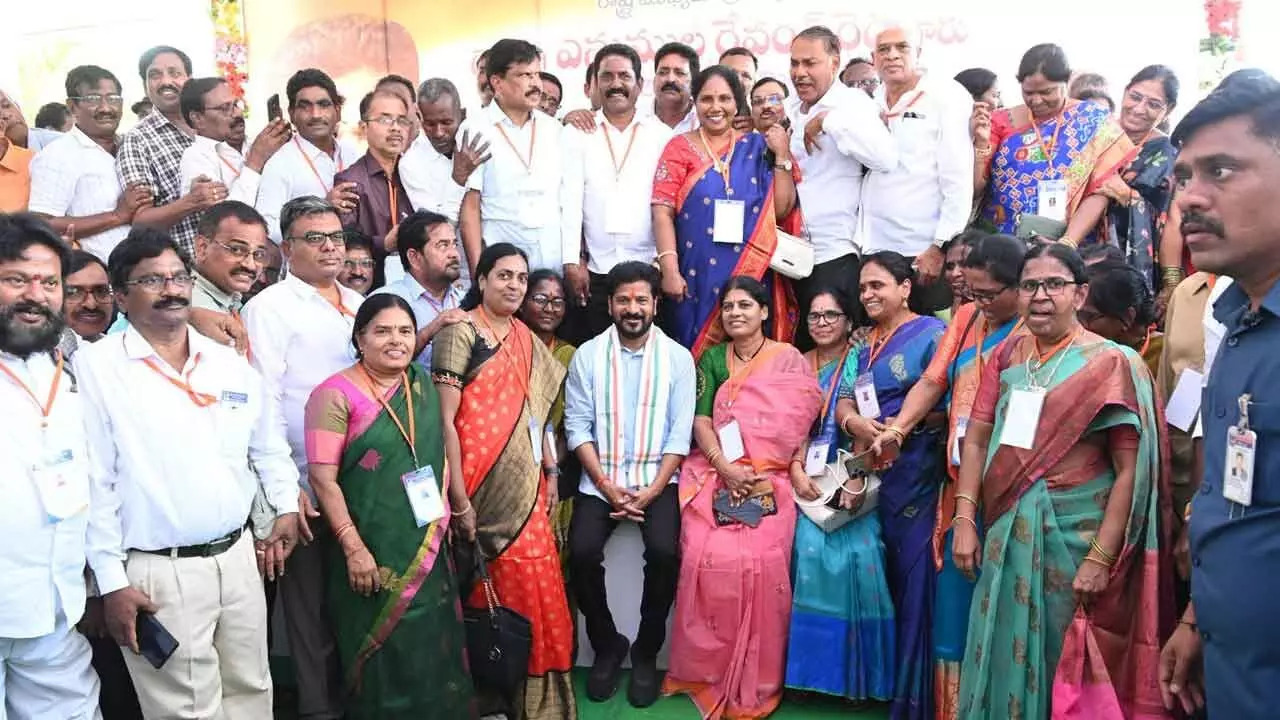
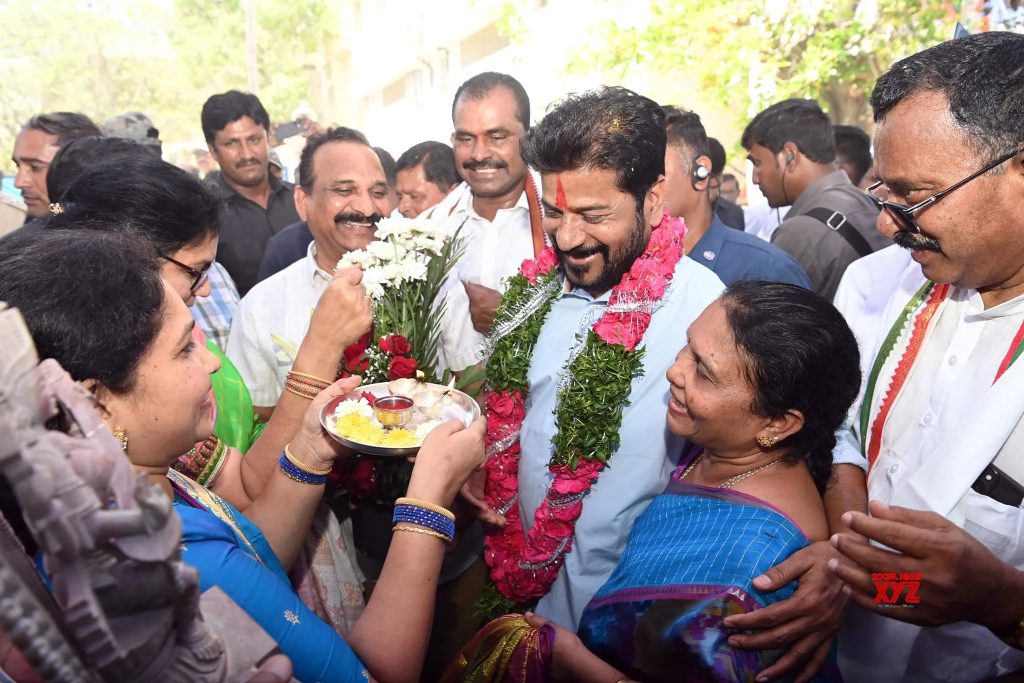
The Mission for Elimination of Poverty in Municipal Areas (MEPMA) was established through G.O Ms No. 414, dated June 4, 2007, to devise and implement strategies for urban poverty reduction programs across Telangana. MEPMA operates as a society registered under the AP Societies Registration Act (No: 1120/2007) on July 10, 2007.
Key Leadership Structure
MEPMA’s leadership includes prominent officials from the Government of Telangana:
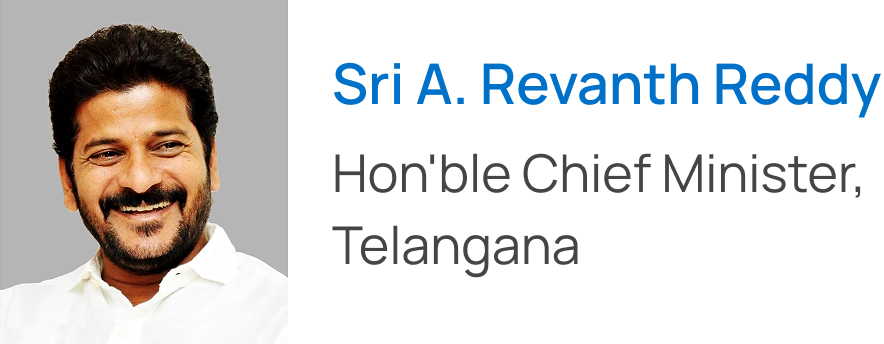
Chairman: Hon’ble Chief Minister
Vice-Chairman: Hon’ble Minister for Municipal Administration & Urban Development (MA & UD)
Convener: Secretary, MA & UD
Members:
Principal Secretary to Govt, Rural Development
Principal Secretary to Govt, Women Development & Child Welfare
Principal Secretary to Govt (IF), Finance Department
Commissioner & Director of Municipal Administration
CEO, SERP, Hyderabad
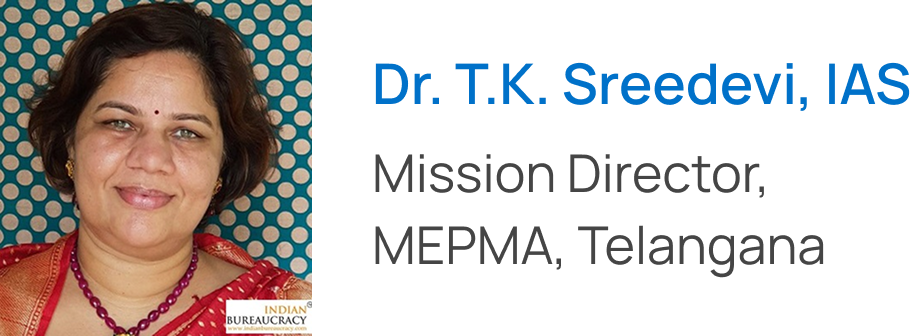
Mission Director, MEPMA
General Manager, SLBC
Social Mobilisation & Institution Development (SM&ID)
Empowering communities from the ground up, SM&ID under DAY-NULM brings together urban poor into Self Help Groups (SHGs) and federations. These people-led institutions drive change by promoting savings, credit access, skill-building, and collective action. Through a structured three-tier model—SHGs, Area Level Federations (ALFs), and City Level Federations (CLFs)—the mission builds strong community networks to access entitlements, financial services, and sustainable livelihoods.
Self-Employment Programme (SEP)
SEP supports the entrepreneurial aspirations of the urban poor by providing access to subsidized credit and technical support. It promotes both individual and group enterprises with a loan limit of ₹2 lakh and ₹10 lakh respectively. Interest subvention is provided on bank loans, for prompt repayment by women SHGs. SEP also encourages credit card access for working capital and offers marketing and technology support for enterprise development.
Support to Urban Street Vendors (SUSV)
SUSV aims to uplift street vendors by integrating them into city planning. It includes registration and ID cards, access to vending zones, skill training, credit enablement, and development of well-equipped vendor markets. Street vendors can also access benefits under EST&P and SEP. This component ensures social security convergence and empowers vendors to thrive with dignity in urban spaces.
Shelter for Urban Homeless (SUH)
SUH ensures no one is left without a roof. It provides 24×7 permanent shelters equipped with basic amenities like water, sanitation, kitchen facilities, and security. Special provisions are made for vulnerable groups including the elderly, women, and the disabled. Shelters are planned close to livelihood zones and linked with healthcare, nutrition, and entitlements. SUH is not just a shelter—it’s a gateway to reintegration and rehabilitation through care, community, and convergence.
Employment Through Skills Training & Placement (EST&P)
This component focuses on enhancing the employability of the urban poor by providing need-based, market-linked skill training. Through partnerships with reputed institutions and industries, it offers certification and placement support in both wage and self-employment tracks. EST&P prioritizes vulnerable groups including women, SC/STs, minorities, and persons with disabilities, ensuring at least 50% placement post-training. Soft skills, financial literacy, and digital literacy are integrated to make participants job-ready.
Mission Goal
To empower all poor families by improving their quality of life through access to services provided by various organizations, enabling self-reliant and self-managed institutions.
Objective
To empower the urban poor especially the poorest of the poor to eliminate poverty and vulnerability sustainably, thereby enhancing their quality of life in urban areas.